

6 Ways Routine Pool Maintenance Prevents Expensive Repairs
Owning a swimming pool offers a sanctuary for relaxation and recreation within the comfort of your backyard. However, this luxury requires a commitment to consistent upkeep to remain a functional asset rather than a financial burden. Many homeowners underestimate how quickly a neglected basin can deteriorate, leading to structural failures or mechanical breakdowns. By prioritizing a regular schedule of care, you ensure that every component of your aquatic retreat functions at peak efficiency. Engaging with a professional pool service ensures that these technical aspects are managed with precision, safeguarding your investment for seasons to come.
1. Balance Water Chemistry to Protect Surfaces
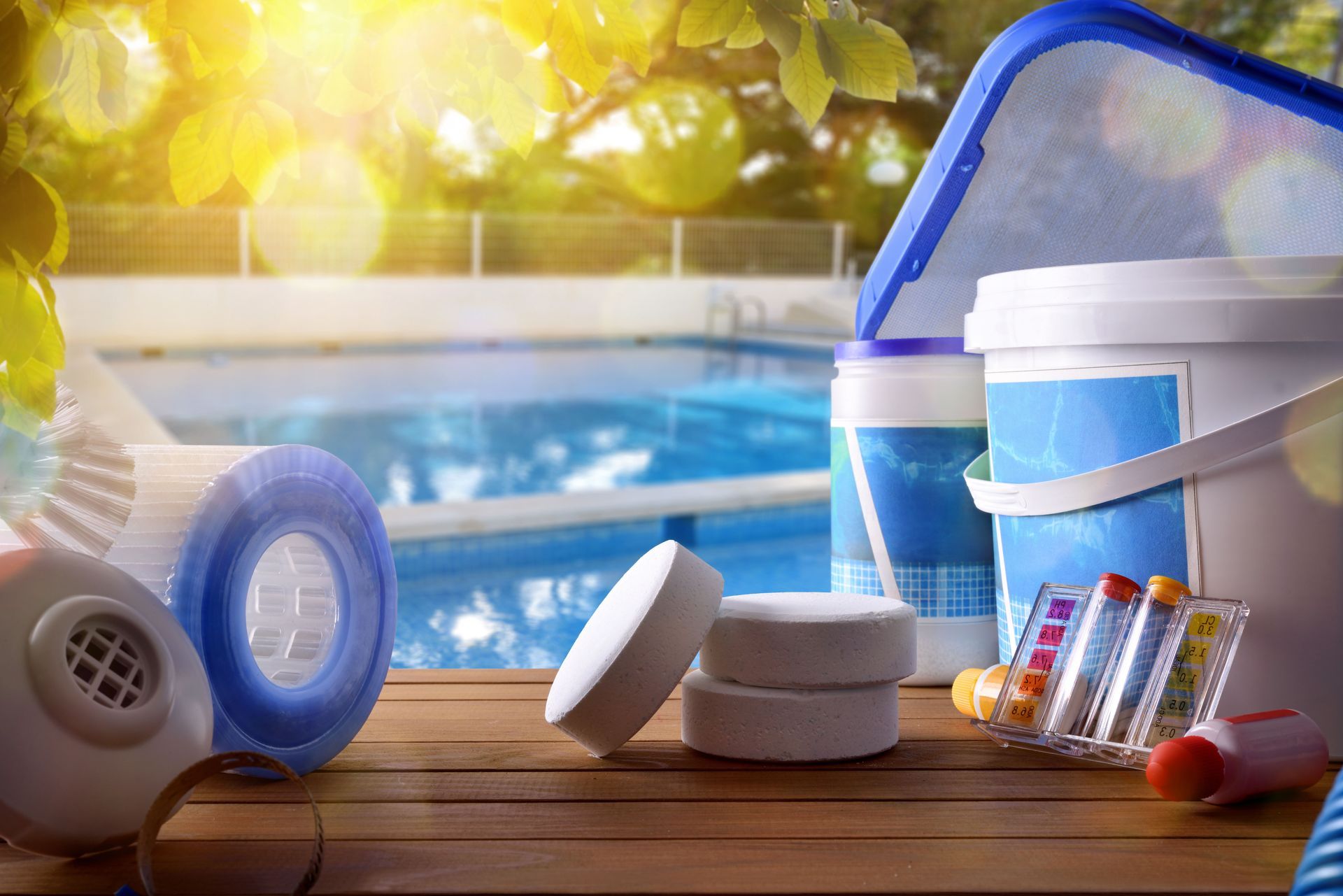
Maintaining the chemical equilibrium of your water is the most critical task for any owner. When the pH levels or alkalinity drift outside of the recommended range, the water becomes either too acidic or too basic. Acidic water is particularly aggressive, as it seeks to balance itself by leaching minerals from the pool walls and floor. This process leads to the pitting of plaster, the erosion of grout, and the eventual degradation of tile work. On the other hand, water that is too basic causes calcium to precipitate out of the solution, creating unsightly scale deposits on the waterline and inside the internal plumbing.
Consistent testing and adjustment prevent these corrosive or scaling environments from forming. By keeping the chemistry stable, you extend the lifespan of the interior finish by many years. Replacing a plaster lining or retiling a perimeter is a massive undertaking that can be avoided through simple, weekly vigilance. Furthermore, balanced water protects the metal components within your heater and pump from premature oxidation. Experts in pool service often emphasize that chemical management is the foundation of preventative care, as it touches every single part of the system.
2. Clean Filtration Systems to Reduce Motor Strain
The filtration system acts as the heart of your pool, circulating water and removing debris to keep the environment sanitary. When filters become clogged with hair, oils, and organic matter, the pump must work significantly harder to push water through the media. This increased resistance creates excessive heat and friction within the motor, leading to burnt-out bearings or total mechanical failure. A pump that operates under constant stress will reach the end of its functional life much faster than one that breathes easily through a clean filter.
Routine rinsing of cartridges or backwashing of sand and earth filters ensures that the flow rate remains optimal. This practice not only saves the pump motor but also reduces your monthly energy consumption. A clean filter captures small particles that would otherwise cloud the water and require expensive chemical "shocks" to clear. Regular inspections of the filter housing also allow you to spot small leaks or cracks in the manifold before the tank becomes a safety hazard.
3. Monitor Water Levels to Identify Hidden Leaks
Water loss is an inherent part of pool ownership, but distinguishing between natural loss and a mechanical breach is vital. According to HomeGuide, pools typically lose about ¼ inch of water per day from evaporation, or roughly 2 inches per week. If you notice that you are adding water more frequently than this baseline suggests, it is often a sign of a structural crack or a pinhole leak in the underground piping.
Early detection of leaks through routine observation prevents the ground saturation that causes these massive repair bills. When a leak is caught early, a simple patch or a localized pipe repair is often all that is required. However, if the water is allowed to seep into the foundation for months, the resulting sinkholes or shifted shells can cost a fortune to remediate. Watching the water line during your weekly pool service routine provides the data needed to catch these silent killers of backyard infrastructure.
- Check the intake skimmers for cracks in the plastic housing.
- Observe the ground around the equipment pad for unexplained dampness.
- Monitor the integrity of the mastic joint between the pool and the deck.
- Look for bubbles in the return lines, which may indicate a suction-side leak.
4. Remove Debris to Prevent Permanent Staining
Organic matter like leaves, acorns, and blossoms might seem harmless, but they are potent sources of tannins and minerals. When debris sits on the floor of the pool for an extended period, it begins to decompose and transfer its pigment directly into the porous surface of the plaster. These organic stains are notoriously difficult to remove and often require an acid wash, which strips away a layer of the finish and shortens its overall life.
- Empty the skimmer and pump baskets daily to ensure maximum flow.
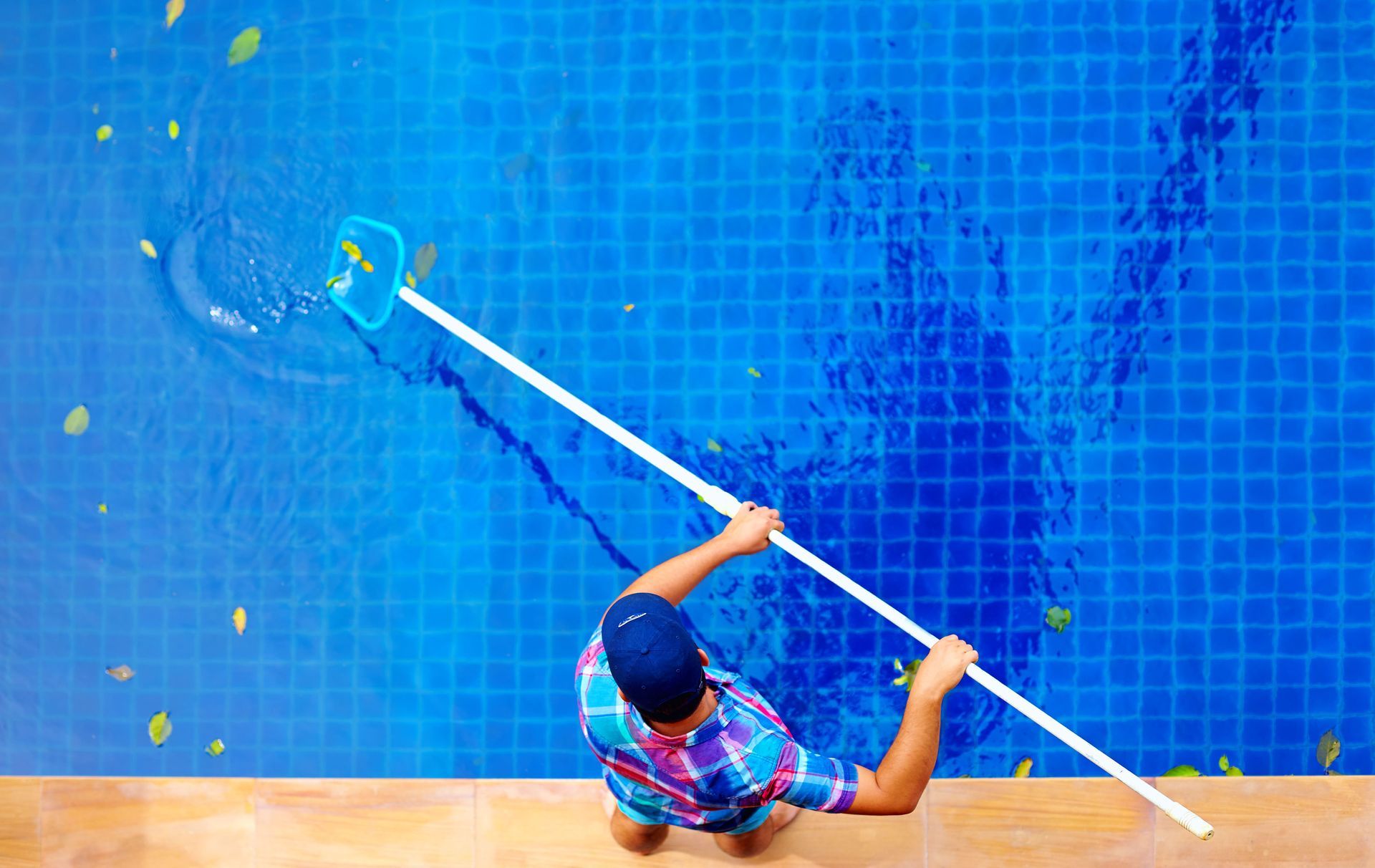
- Use a leaf vacuum or specialized net to clear the floor after every storm.
- Brush the walls weekly to dislodge algae spores before they take root.
- Trim overhanging branches to minimize the amount of waste entering the water.
A clean pool is a durable pool. By removing the physical waste that accumulates, you prevent the chemical reactions that lead to permanent cosmetic damage. While many people view skimming as a chore related only to aesthetics, it is truly a defensive measure against the high costs of resurfacing. Utilizing a professional pool service to handle the heavy cleaning ensures that even the hard-to-reach areas remain pristine.
5. Inspect Mechanical Seals to Stop Costly Flooding
The various seals and O-rings within your equipment are small, inexpensive parts that perform a massive job. They keep the pressurized water inside the pipes and away from the sensitive electrical components of your motors and heaters. Over time, these rubber components become brittle due to sun exposure and chemical contact. A failing seal might start as a tiny drip, but it can quickly turn into a spray that douses the motor, causing a short circuit and destroying the equipment instantly.
During routine maintenance, every union and lid should be checked for moisture. Applying a silicone-based lubricant to these seals keeps them supple and ensures a watertight fit. Replacing a five-dollar O-ring today is a much better alternative than replacing a thousand-dollar heater tomorrow. This level of detail is a hallmark of high-quality pool service, where the focus is on the small connections that keep the entire system running smoothly.
6. Brush Interior Walls to Thwart Algae Blooms
Algae is more than just a visual nuisance; it is a biological threat to your pool’s components. Once algae takes hold in the pores of the plaster or the crevices of the stone, it creates a biofilm that protects it from chlorine. This requires a massive influx of chemicals to eradicate, which can be hard on the pool’s finish and the swimmers' skin.
Vigorous brushing of the walls and floor is a simple physical deterrent that prevents these colonies from establishing a foothold. By knocking the spores into the water where the sanitizer can reach them, you keep the environment clear and healthy. This manual labor is a core component of any comprehensive pool service plan. It ensures that the surfaces remain smooth and free of the slippery film that leads to accidents and expensive chemical treatments.
Consistency is the ultimate secret to minimizing the costs of pool ownership. By dedicating time each week to chemistry, cleaning, and mechanical inspection, you create a system that resists the natural wear and tear of the environment. While the temptation to skip a week may be strong, the cumulative effect of neglect is what leads to the massive repair bills that haunt many homeowners.
If you find that your schedule is too packed to provide this level of care, seeking professional assistance is a wise choice. For reliable assistance in maintaining your oasis, contact Austin pool service.
Share On: